Magicbell: The Elegant Script Font for Polished Branding
I remember staring at my laptop screen late one Tuesday night, trying to finalize the labels for my new line of hand-poured soy candles. I had the scent right, the packaging was sustainable, and the photography was clean, but something felt off. The text on the jar looked generic, almost cheap. It didn’t match the premium, calming vibe I wanted my customers to feel when they lit the candle in their living room. That’s when I realized my brand identity needed a visual anchor that spoke elegance without shouting. I stopped looking for complex design software tutorials and started looking for the right Fonts. That search led me to Magicbell, a typeface that completely transformed how my small business presents itself online and offline.
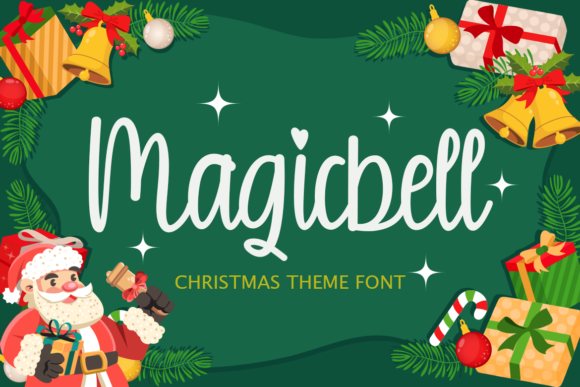
If you are a small business owner, entrepreneur, or creative consultant who wants your brand to look established and trustworthy from day one, typography is not just an aesthetic choice—it is a business decision. Magicbell is a beautiful and refined script font. It has a classy, elegant, and modern look that can be used for logos, branding, invitations, stationery, wedding designs, social media posts, and much more. In this review, I will walk you through how integrating this specific Script Handwritten style into your workflow can elevate your product labels, digital presence, and overall customer perception.
Magicbell for Wedding Invitations and Elegant Branding
When I first downloaded Magicbell, I tested it immediately on a mock-up for a client’s wedding invitation suite. This font is a beautiful and refined script font. It has a classy, elegant, and modern look that can be used for logos, branding, invitations, stationery, wedding designs, social media posts, and much. The curves are fluid but controlled, avoiding the messy, illegible traps that many cursive fonts fall into. For wedding planners, bridal boutiques, or photographers, using Magicbell for primary headlines creates an immediate sense of luxury. Unlike rigid serif fonts, this typeface feels personal and human, yet it retains enough structure to remain legible at smaller sizes on RSVP cards and place settings.
The "modern" aspect of its design is crucial. Older script fonts can sometimes feel vintage or dusty, which might not suit a contemporary bridal brand. Magicbell strikes a balance. It feels timeless rather than trendy. When paired with ample white space and minimal color palettes—think soft blushes, deep navys, or classic black and white—the font does the heavy lifting for your design hierarchy. You do not need excessive embellishments; the letterforms themselves provide the decorative element. This allows your brand to look sophisticated and high-end, which is exactly what clients expect when paying premium prices for wedding services.
Magicbell for Product Labels and Packaging Design
Returning to my candle business, I applied Magicbell to my product jars. Using a Script Handwritten style for packaging requires careful consideration of readability, especially on curved surfaces or small labels. Magicbell excels here because its x-height is generous, and the spacing between letters is consistent. I used it for the main product name, such as "Lavender & Sage," while pairing it with a clean sans serif font for the ingredient lists and weight details. This combination is a staple in professional packaging design.
For boutique owners selling skincare, bath bombs, or handmade soaps, consistency is key to building brand recognition. If every product label uses a different typeface, your shelf presence looks chaotic. By standardizing on Magicbell for your brand name across all SKUs, you create a cohesive visual identity. Customers begin to associate that specific flowy script with your quality standards. Whether you are printing stickers for gift boxes or designing tags for clothing items, this font adds a touch of refinement that suggests care and attention to detail. It signals to the buyer that you have invested in the presentation of your goods, which can justify higher price points and reduce returns due to perceived low value.
Magicbell for Social Media Graphics and Digital Ads
In the world of e-commerce and content creation, your social media feed is your digital storefront. I updated my Instagram templates to feature Magicbell for quote graphics, promotional announcements, and story highlights. Because Fonts render differently on mobile screens compared to print, testing is essential. Magicbell remains crisp and clear even at smaller sizes on phone displays, which is vital for capturing attention in a fast-scrolling feed.
Using this typeface for social media graphics helps break up the monotony of blocky, corporate-looking posts. It injects personality into your marketing materials. For example, if you run a coaching business or a lifestyle blog, using Magicbell for your header images makes your content feel approachable yet authoritative. It works beautifully for short phrases like "New Collection Drop," "Limited Edition," or "Book Now." However, avoid using it for long paragraphs of text. Its strength lies in being a display font. Keep body text in a highly readable sans serif or serif font to ensure your audience can consume your message without strain. This strategic use of typography increases engagement rates because users find your visuals more pleasing and easier to digest.
Magicbell for Logos and Brand Identity Systems
One of the most powerful applications of Magicbell is in logo design. A well-crafted script logo can convey heritage, artistry, and exclusivity. While I would not recommend using a script font for the entire logo if legibility is a concern, using Magicbell for the wordmark portion can be stunning. Imagine a coffee shop logo where "Magicbell Coffee" is written in this elegant script, paired with a simple icon of a coffee bean in a clean geometric shape. The contrast between the organic flow of the script and the rigid geometry of the icon creates a dynamic and memorable brand mark.
For startups looking to build a strong brand identity, choosing the right typeface early on saves money and design hours down the road. Magicbell is versatile enough to serve as the cornerstone of your visual language. It can transition seamlessly from your website banner to your business cards, email signatures, and even merchandise like tote bags or mugs. When your branding materials are consistent, your business appears larger and more established than it actually is. This psychological effect is invaluable for small businesses competing against larger corporations. It builds trust with potential customers who equate professional design with professional service.
Practical Tips for Using Script Handwritten Fonts
To get the most out of Magicbell, consider these practical application tips derived from real-world testing:
- Font Pairing: Always pair Magicbell with a neutral companion font. A clean sans serif like Helvetica or a classic serif like Garamond provides the necessary contrast to make the script pop without creating visual clutter.
- Kerning Matters: As with any script font, check the kerning (spacing between letters). Magicbell comes with well-adjusted defaults, but always zoom in to 100% on your design canvas to ensure no letters are touching awkwardly, especially when printing on physical products.
- Color Contrast: Ensure there is sufficient contrast between the text and the background. Light gray text on a white background may look elegant on a desktop monitor but will be unreadable on a printed menu or a small product label.
- Licensing: Before using Magicbell on commercial products, verify the license terms. Most premium fonts require a commercial license for use on merchandise sold to the public. Ensuring you have the correct rights protects your business from legal issues and supports the type designer.
Upgrading your typography is one of the highest-ROI changes you can make for your brand. Magicbell offers the polish and professionalism that small businesses crave. It is not just a font; it is a tool for communicating value. By applying this Script Handwritten style thoughtfully across your invitations, labels, and digital assets, you create a unified experience that resonates with your audience. Start by updating one key asset today—perhaps your business card or your main website header—and observe the shift in how your brand is perceived. Your customers notice the details, and those details define your reputation.