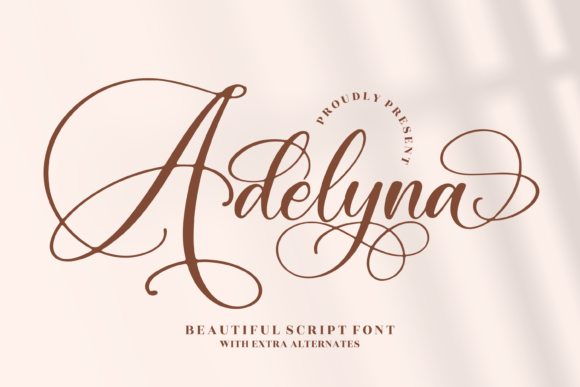
Adelyna: The Elegant Script Handwritten Font for Digital Design
When you are building a digital experience that demands immediate sophistication, Adelyna is the script font that bridges the gap between traditional elegance and modern web usability. As a web designer, I have found that not all decorative typefaces translate well to screens; many become illegible on mobile devices or clash with clean UI layouts. However, Adelyna is specifically crafted to offer a beautiful and refreshing look to designs without sacrificing the clarity required for high-converting landing pages. This PUA-encoded script allows for extensive customization, making it an essential asset for designers who need a ravishing and delicate touch in their digital product creation.
Adelyna for Hero Sections and High-Impact Headers
The first impression of any website relies heavily on typography, and using Adelyna as a primary display font can instantly elevate the perceived value of your brand. In web design, hero sections are prime real estate where you must capture attention within seconds. Because Adelyna exudes elegance and class, it works exceptionally well for boutique online stores, luxury coaching websites, or creative agency portfolios. When paired with ample negative space, the delicate strokes of this handwritten font draw the eye naturally toward your headline message.
However, visual hierarchy is critical. While Adelyana is stunning for large-scale text, it should generally be reserved for short phrases rather than long paragraphs. Using it for body copy can hinder readability and increase bounce rates. Instead, reserve Adelyna for your main H1 tags, promotional banners, or special announcement bars. For example, if you are designing a sales page for a high-ticket course, using Adelyna for the title "Master Your Craft" creates an emotional connection that standard sans-serif fonts cannot achieve. The contrast between the fluid script and rigid structural elements helps guide the user’s scanning behavior, ensuring they notice your most important calls to action.
Adelyna for Brand Identity and Logo Design Assets
Creating a consistent online identity requires more than just picking a color palette; it demands a cohesive typographic system. Adelyna serves as a powerful tool for establishing a brand tone that feels personal yet professional. For digital product creators, such as those selling templates, e-books, or digital planners, incorporating this script into your logo design or brand kit adds a layer of artisanal quality. It signals to the customer that attention has been paid to detail, which subconsciously builds trust and authority.
When integrating Adelyna into your brand assets, consider its versatility across different media. Whether you are creating social media graphics, email headers, or video thumbnails, the font’s delicate nature ensures it remains legible even at smaller sizes, provided the background contrast is managed correctly. You can use the included alternates and ligatures (if available via PUA encoding) to create unique wordmarks that stand out in crowded marketplaces. By maintaining Adelyna as a recurring visual element across all platforms, you reinforce brand recognition and create a memorable aesthetic that aligns with modern typography trends favoring handcrafted aesthetics.
Optimizing Readability and Visual Hierarchy on Mobile
One of the biggest challenges in responsive web design is ensuring that decorative fonts do not break the layout on smaller screens. Adelyna is designed with a balanced x-height and clear letterforms, which aids in digital readability, but careful implementation is still required. When adapting Adelyna for mobile views, reduce the font size slightly compared to desktop versions to prevent line breaks from occurring mid-word, which can disrupt the flow of the script. Additionally, ensure sufficient line height to accommodate the ascenders and descenders typical of handwritten fonts.
To maintain a strong visual hierarchy, pair Adelyna with a highly legible sans-serif font for supporting text. A clean, geometric sans-serif provides a stable foundation that allows the script to shine without competing for attention. For instance, use Adelyna for section headings like "Our Story" or "Testimonials," and switch to your body copy font for the actual content. This combination ensures that users can easily scan the page while still enjoying the aesthetic appeal of the script. On dark backgrounds, consider using a lighter weight or adding a subtle text shadow to enhance contrast, whereas on light backgrounds, the natural darkness of the script will provide excellent definition against white or cream-colored spaces.
Adelyna for E-Commerce Banners and Call-to-Action Elements
In conversion-focused layouts, every element must serve a purpose. Adelyna is particularly effective for e-commerce banners and limited-time offer notifications where urgency and style must coexist. The font’s elegant character softens the hard sell, making promotional messages feel more like invitations than interruptions. Use Adelyna for key phrases within your call-to-action areas, such as "Shop the Collection" or "Join the Waitlist," to add a touch of exclusivity.
It is important to note that while Adelyna is beautiful, it should not be used for functional interface elements like navigation menus or form labels. These areas require maximum clarity and speed of recognition. Reserve the script for marketing-heavy components where emotion drives the decision. For example, in a blog header or a newsletter signup graphic, Adelyna can create a welcoming atmosphere that encourages subscription. By strategically placing this font in high-impact zones, you leverage its psychological association with luxury and care, thereby increasing engagement and click-through rates.
Font Pairing Strategies for Editorial and Modern Layouts
Selecting the right companion font is crucial when working with a distinctive typeface like Adelyna. Since Adelyna is a script handwritten font, it pairs best with neutral, understated typefaces that do not compete for visual dominance. A minimalist sans-serif font is the safest and most effective choice for body text, offering a modern contrast that keeps the design fresh. Alternatively, for editorial design projects or magazine-style layouts, pairing Adelyna with a classic serif font can create a sophisticated, timeless look reminiscent of high-end fashion publications.
When testing these pairings, focus on the rhythm of the page. The flowing lines of Adelyna should complement the structured grid of your layout, not fight against it. Ensure that the weights of your paired fonts are balanced; if Adelyna appears bold and prominent, your body copy should remain light and unobtrusive. This balance prevents visual fatigue and ensures that the user’s journey through your content is smooth and enjoyable. Always preview your font combinations on actual devices to verify that the spacing and proportions work harmoniously across different screen resolutions.
Licensing and Commercial Use for Digital Products
For web designers and entrepreneurs, understanding the commercial licensing of fonts is as important as the design itself. Adelyna is crafted for those who need a beautiful and refreshing look to their designs, implying it is suitable for professional use. Before deploying Adelyna on client projects, online stores, or digital templates, verify the specific license terms regarding webfont embedding and commercial distribution. Proper licensing protects your business from legal issues and ensures ethical support for the type designer.
Whether you are building a custom WordPress theme, a Shopify store, or a SaaS dashboard, having the correct file formats and webfont versions ready will streamline your workflow. Check for multilingual support if your audience is global, and review the included styles to maximize the utility of your purchase. By integrating Adelyna thoughtfully into your design system, you create a cohesive brand experience that resonates with users and stands the test of time in the ever-evolving landscape of digital design.